
India and the United Kingdom have a long-standing, multifaceted relationship, evolving from historical ties to a comprehensive modern partnership. The launch of Vision 2035 underscores the commitment of both nations to deepen strategic, economic, technological, and cultural cooperation. As global dynamics shift, this partnership positions India and the UK to jointly navigate challenges in trade, defense, innovation, climate, and education.
The India-UK strategic collaboration is no longer limited to diplomacy; it has expanded to include joint ventures in technology, defense exercises, renewable energy projects, and people-to-people exchanges. Vision 2035 sets an ambitious roadmap for both nations, emphasizing innovation, sustainability, and global leadership.
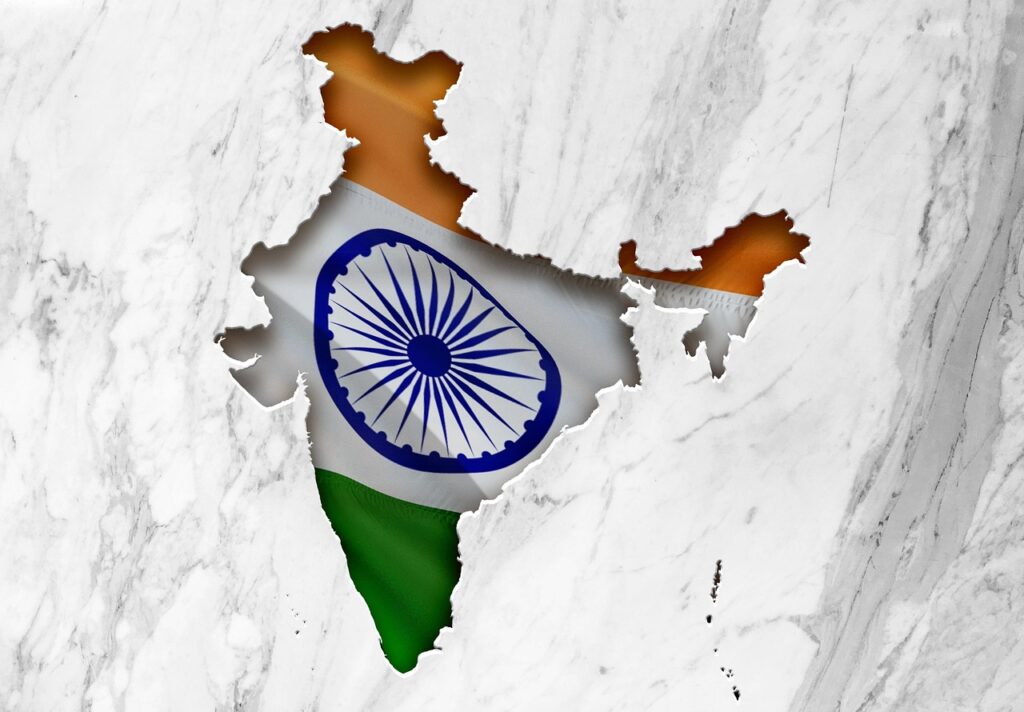
Historical Context: From Colonial Legacy to Strategic Partnership
The India-UK relationship is rooted in centuries of shared history. While the colonial era introduced challenges, it also established lasting institutional and cultural links. After India gained independence in 1947, both countries gradually redefined their relationship, moving from a colonial legacy to a strategic partnership focused on mutual growth.
Key milestones include:
- Post-Independence Diplomacy: India joined the Commonwealth, maintaining formal ties with the UK while asserting its sovereignty.
- Economic Engagement: Trade agreements in the late 20th century strengthened economic relations, paving the way for deeper cooperation.
- Cultural Exchange: A large Indian diaspora in the UK fostered mutual understanding through education, cultural programs, and professional networks.
This historical foundation enabled both nations to craft the Vision 2035 framework, which aims to enhance bilateral cooperation in every key sector.
Pillars of the India-UK Vision 2035
1. Trade and Economic Cooperation
Trade forms the backbone of India-UK strategic relations. Bilateral trade has grown steadily, reaching over $40 billion by 2024, with projections of doubling by 2030 under Vision 2035. Key aspects include:
- Comprehensive Economic and Trade Agreement (CETA): Tariff reductions and market access expansion for goods and services.
- Sectoral Growth: Focus on IT, pharmaceuticals, automobiles, renewable energy, and education services.
- Investment Facilitation: Encouraging UK firms to invest in Indian startups and vice versa.
These initiatives are designed to create new opportunities for businesses, enhance competitiveness, and strengthen economic resilience.
2. Defense and Security Collaboration
India and the UK have intensified cooperation in defense and security, recognizing shared global challenges. Key initiatives include:
- Joint Military Exercises: Regular exercises enhance interoperability and operational readiness.
- Defense Technology Sharing: Collaborative research in areas such as drones, cyber defense, and naval technology.
- Intelligence Sharing: Joint efforts to combat cybercrime, terrorism, and regional security threats.
This pillar ensures that the partnership extends beyond economic interests, enhancing strategic influence and regional stability.
3. Technology and Innovation
Technology forms a cornerstone of Vision 2035, with India and the UK investing heavily in innovation:
- Artificial Intelligence: Collaborative research in AI, machine learning, and data analytics.
- Start-up Ecosystem Support: Incubators and accelerators to promote entrepreneurship.
- Digital Infrastructure: Joint initiatives to enhance connectivity, cybersecurity, and smart city projects.
Through these measures, both nations aim to position themselves as leaders in the global technology landscape.
4. Climate and Sustainability
Climate change is a shared priority for India and the UK, reflected in joint sustainability initiatives:
- Renewable Energy Projects: Solar, wind, and hydroelectric projects co-funded by UK and Indian firms.
- Sustainable Development: Promotion of eco-friendly manufacturing, agriculture, and urban planning.
- Climate Finance: Shared funding for climate resilience, disaster mitigation, and green technology adoption.
These efforts highlight the partnership’s commitment to achieving global climate goals while fostering economic growth.
5. Education and Cultural Exchange
Educational and cultural ties strengthen bilateral relations by fostering mutual understanding:
- Student Exchange Programs: Scholarships and academic collaboration enhance skills and knowledge sharing.
- Cultural Diplomacy: Events, exhibitions, and media collaborations promote soft power and cultural appreciation.
- Research Partnerships: Joint studies in science, social sciences, and humanities deepen collaborative knowledge production.
People-to-people exchanges are a critical component of the Vision 2035 roadmap, ensuring long-term relationship sustainability.

Strategic Implications of Vision 2035
The implementation of Vision 2035 carries significant strategic implications:
- Global Influence: Strengthening India’s and the UK’s positions in international diplomacy and trade.
- Economic Growth: Increased bilateral trade and investment spur job creation and innovation.
- Defense and Security: Enhanced collaboration improves regional stability and prepares for emerging threats.
- Technological Leadership: Joint initiatives in AI, space, and renewable energy secure both nations a competitive edge globally.
The partnership is thus positioned as a model for forward-looking, multifaceted international collaboration.
Opportunities for Businesses and Entrepreneurs
Vision 2035 opens multiple avenues for businesses:
- Export Opportunities: Indian SMEs gain easier access to UK markets through tariff reductions.
- Investment in Innovation: Start-ups and tech companies benefit from bilateral venture funding.
- Renewable Energy Ventures: Collaborative green projects provide both environmental and financial returns.
- Skill Development Programs: Programs targeting youth ensure a talent pool aligned with emerging industry needs.
Entrepreneurs and investors who leverage these opportunities can expect significant growth and global integration.
Challenges and Roadblocks
Despite the opportunities, several challenges must be managed:
- Geopolitical Tensions: Regional instability, trade negotiations, and policy changes can create uncertainties.
- Economic Disparities: Ensuring benefits reach small businesses, rural communities, and marginalized sectors.
- Environmental Concerns: Balancing industrial growth with sustainable practices.
- Technological Competition: Ensuring equitable collaboration in sensitive sectors like AI and defense.
Proactive strategies and continuous dialogue are essential for mitigating these risks.
Future Outlook: Vision 2035 and Beyond
Looking ahead, the India-UK strategic partnership is set to deepen across multiple sectors:
- Trade Expansion: Targeting $100+ billion in bilateral trade by 2035.
- Defense Collaboration: Advanced joint research and exercises to address emerging threats.
- Technological Innovation: Co-developing AI, cybersecurity, and renewable energy solutions.
- Global Leadership: Jointly influencing international policy on climate change, trade, and security.
Vision 2035 is not merely a roadmap; it represents a long-term commitment to shared growth, innovation, and global stability.
Conclusion
In 2025, India UK Strategic Relations 2025 have reached a crucial stage. Vision 2035 sets the roadmap for a partnership that spans trade, defense, technology, climate, and cultural cooperation. This collaboration builds on historical ties while focusing on shared growth and global influence.
Bilateral trade offers immense opportunities. Sectors like IT, pharmaceuticals, renewable energy, and advanced manufacturing stand to benefit. Investors and businesses can leverage these opportunities for growth and innovation.
Defense and security cooperation strengthens regional stability. Joint military exercises, cyber defense, and technology sharing enhance preparedness. Both nations are committed to addressing emerging global threats together.
Technological collaboration in AI, digital infrastructure, and research positions India and the UK as global leaders in innovation. At the same time, joint climate initiatives promote sustainability and clean energy projects.
Education and cultural exchange deepen people-to-people ties. Scholarships, student exchanges, and cultural diplomacy ensure long-term engagement. This strengthens understanding between citizens of both nations.
Challenges remain. Geopolitical tensions, economic disparities, and environmental considerations must be carefully managed. Addressing these issues is essential for Vision 2035’s success.
Overall, India UK Strategic Relations 2025 under Vision 2035 represents a blueprint for sustainable growth, strategic foresight, and global leadership. By leveraging history, shared values, and complementary strengths, both nations are poised to set new standards for international cooperation in the 21st century.