
Close your eyes and picture a normal day in your city—Delhi, Mumbai, Bengaluru, or Chennai. You step out for work, but the sun feels like it’s burning through your skin. By afternoon, your phone buzzes with a flood alert. In the evening, there’s no water in your tap. At night, your child is coughing from the thick blanket of pollution outside.
This isn’t a scene from a dystopian movie. This is climate change in Indian cities 2025, and it’s real.
The world’s fastest-growing urban population is experiencing firsthand the brutal side of global warming. Indian cities are heating up, choking up, drying up, and in some cases—drowning. The question isn’t if climate change will affect your life, but how deeply it already has.
In this blog, we’ll explore how climate change in Indian cities 2025 is transforming daily life—through heatwaves, water crises, floods, food shortages, health problems, and more.
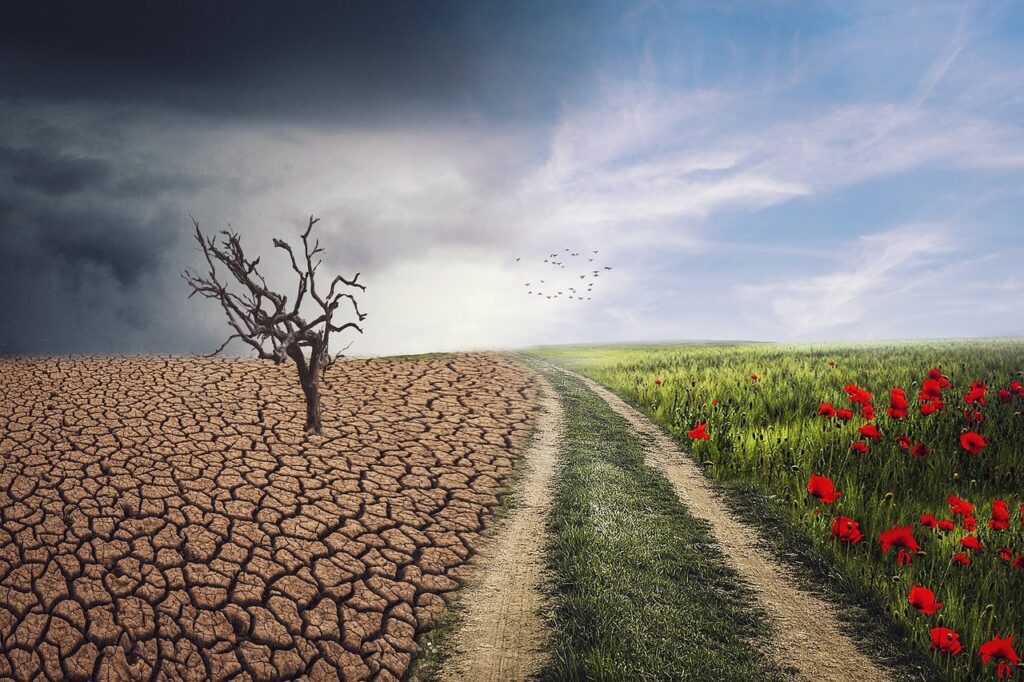
Understanding Climate Change in Indian Context
India is one of the world’s most vulnerable countries to climate change. Cities are particularly at risk because of their population concentration, infrastructure load, and pollution levels.
Key drivers of climate change in Indian cities include:
- Rising greenhouse gas emissions from industries, vehicles, and power generation.
- Deforestation and shrinking green spaces due to urban expansion.
- Over-dependence on fossil fuels for electricity and transport.
- Poor waste management systems, leading to methane emissions.
- Unplanned urbanization that ignores climate resilience.
Why Indian Cities Are at the Epicenter of Climate Risks
Indian cities are not just victims of climate change—they are accelerators. With 35% of India’s population living in cities (and expected to rise to 40% by 2030), the urban lifestyle contributes significantly to carbon emissions. Cities consume over 70% of the nation’s energy and produce massive amounts of waste and pollution.
Climate change in Indian cities 2025 manifests in multiple forms:
- Intense heatwaves and rising temperatures.
- Erratic rainfall patterns and flash floods.
- Water scarcity and depletion of groundwater.
- Air pollution combining with climate stress.
- Health risks and urban diseases.
City-Wise Climate Change Challenges in 2025
1. Delhi – The Heatwave Capital
- Delhi recorded temperatures crossing 48°C multiple times in recent years.
- Heatwaves are longer, more intense, and deadlier.
- Air pollution worsens the heat, creating a toxic heat dome effect.
- Water demand is surging while groundwater levels are critically low.
2. Mumbai – Rising Seas and Urban Flooding
- Sea levels along Mumbai’s coastline have risen by 3–4 cm in the past decade.
- High tides combined with monsoon downpours flood entire neighborhoods.
- Informal settlements near coastal areas are most vulnerable.
- Real estate, business districts, and transport networks face constant disruption.
3. Chennai – The Day Zero Warning
- Chennai witnessed one of the worst water crises in 2019, and the situation is worsening in 2025.
- Groundwater depletion has left several districts parched.
- Heavy rains during monsoon lead to extreme flooding, while summers are marked by droughts.
- The city is a case study of urban water mismanagement in climate change.
4. Bengaluru – The Vanishing Lakes
- Once called the “City of Lakes,” Bengaluru has lost most of its water bodies to encroachment.
- Climate change brings irregular rainfall and rising heat, making water scarcity severe.
- The booming IT industry adds massive pressure on electricity and water demand.
- Bengaluru faces urban heat island effect, where concrete traps heat.
5. Kolkata – Cyclones and Air Pollution
- Kolkata is highly vulnerable to cyclones originating in the Bay of Bengal.
- Saltwater intrusion threatens agriculture and drinking water.
- The city also struggles with one of the highest levels of PM2.5 pollution.
- Climate change in Kolkata is a combination of storm risk + poor air quality.
6. Hyderabad – Urban Expansion Meets Water Stress
- Rapid expansion and real estate growth are reducing green cover.
- The city faces both urban flooding during rains and droughts during summer.
- Lake pollution and shrinking water bodies highlight mismanagement.
7. Ahmedabad – Heat and Public Health Crisis
- Ahmedabad has adopted a Heat Action Plan, but rising temperatures continue to challenge healthcare systems.
- Vulnerable populations—construction workers, elderly, children—are at extreme risk.
- Air conditioning demand increases electricity stress.
The Broader Impacts of Climate Change in Indian Cities 2025
1. Public Health Emergencies
- Heat-related illnesses, respiratory diseases, and water-borne infections are increasing.
- Hospitals are witnessing rising cases of vector-borne diseases like dengue and malaria.
2. Economic Losses
- Floods and cyclones cause billions in property damage.
- Productivity declines as workers cannot function during extreme weather.
- Rising energy costs due to air conditioning increase household expenses.
3. Migration and Climate Refugees
- Coastal erosion in Mumbai and Chennai displaces thousands.
- Villages affected by droughts see migration into cities, adding stress to urban infrastructure.
4. Environmental Degradation
- Cities are losing their green belts, tree cover, and wetlands.
- Air quality indexes in Delhi, Lucknow, and Kolkata frequently reach hazardous levels.
Government Actions in 2025
The Indian government, along with state authorities, has initiated several measures:
- National Clean Air Program (NCAP) to reduce air pollution.
- Smart Cities Mission incorporating sustainable solutions.
- Renewable energy push with solar rooftops and EV adoption.
- Heat Action Plans in multiple cities.
- Coastal resilience projects to tackle rising sea levels.
However, gaps remain in implementation, enforcement, and urban planning.
Solutions and Way Forward
1. Urban Green Planning
- Planting urban forests and reviving city lakes.
- Creating green rooftops and walls to combat heat islands.
2. Renewable Energy Integration
- Promoting solar and wind energy across cities.
- Expanding EV charging networks and reducing fossil fuel dependency.
3. Climate-Resilient Infrastructure
- Flood-proof drainage systems.
- Elevated roads and climate-smart housing near coastal areas.
4. Water Management
- Strict rainwater harvesting policies.
- Rejuvenating traditional water bodies.
- Reducing industrial water wastage.
5. Public Awareness and Lifestyle Changes
- Citizens reducing waste and adopting recycling.
- Encouraging use of public transport over private cars.
- Community-level climate initiatives.
Conclusion
By 2025, climate change in Indian cities is not a future risk—it is a present-day crisis. From heatwaves in Delhi to floods in Mumbai, from water scarcity in Chennai to air pollution in Kolkata, the impacts are multi-dimensional and severe.
The path forward requires collective action: government policy, urban planning, corporate responsibility, and citizen participation. Indian cities can still adapt and thrive, but only if decisive measures are implemented immediately.