
In September 2025, Ladakh, a strategically significant region in northern India, witnessed unprecedented Ladakh protests demanding statehood and constitutional safeguards under the Sixth Schedule. These protests, largely led by the youth, have escalated into violent clashes, drawing national and international attention. This article delves into the origins of the protests, the events leading to the violence, the key demands, and the potential future implications for Ladakh and India.
Origins of the Protests
Ladakh was reconstituted as a Union Territory in 2019, following the abrogation of Article 370, which granted special status to Jammu and Kashmir. While the move was hailed by some, it left Ladakh without a legislative assembly, leading to concerns about administrative autonomy and the protection of local rights.
The protests gained momentum in 2021 when the Leh Apex Body (LAB) and Kargil Democratic Alliance (KDA) were formed to represent the region’s aspirations. Despite several rounds of talks with the Government of India, including the formation of a High-Powered Committee, the demands of the Ladakhi people remained largely unaddressed.
The Turning Point: September 2025
On September 10, 2025, Sonam Wangchuk, a prominent Ladakhi activist and educationist, initiated a hunger strike demanding the inclusion of Ladakh under the Sixth Schedule and the granting of statehood. His actions galvanized the youth, leading to widespread demonstrations.
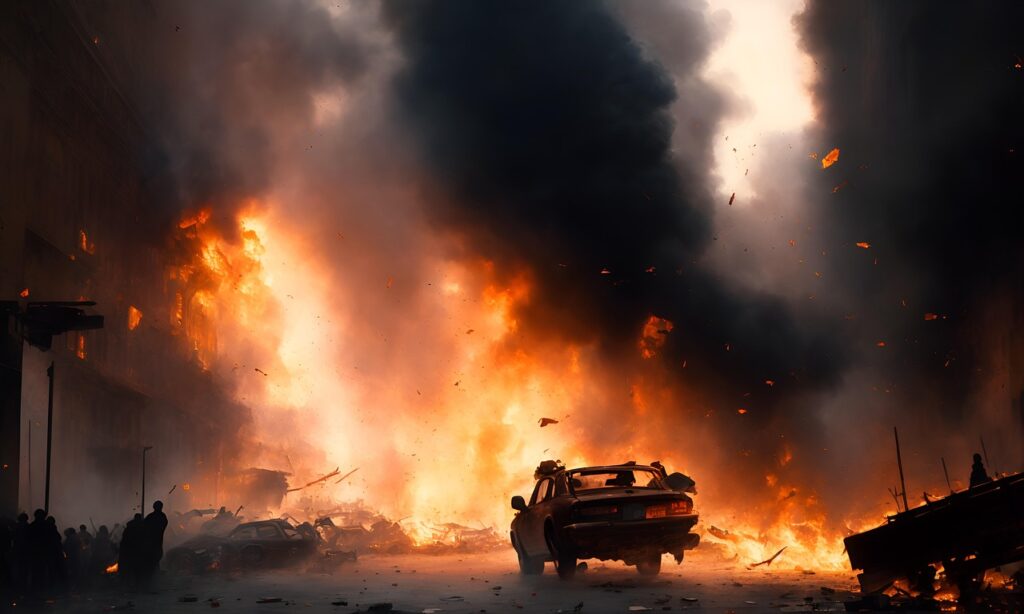
However, the situation took a tragic turn on September 24, when protests in Leh turned violent. Demonstrators clashed with police, resulting in the deaths of at least four individuals and injuries to over 80 others. The violence included arson, with protesters setting fire to the regional office of the Bharatiya Janata Party (BJP) and several police vehicles.
Key Demands of the Protesters
The protesters have articulated several key demands:
- Statehood for Ladakh: The primary demand is for Ladakh to be granted full statehood, restoring legislative autonomy and local governance.
- Inclusion under the Sixth Schedule: This would provide constitutional safeguards for tribal areas, allowing local communities greater control over land and resources.
- Establishment of a Ladakh Public Service Commission: To ensure local employment opportunities and reduce unemployment among the youth.
- Reservation for Locals in Jobs: Implementation of job reservation policies to protect the interests of the indigenous population.
- Additional Lok Sabha Seats: The demand for increased representation in the Indian Parliament to ensure that Ladakh’s voice is adequately heard.
Government Response
In response to the escalating protests, the Government of India has taken several actions:
- Deployment of Security Forces: To restore order, additional security forces were deployed in Leh, and a curfew was imposed following the violence.
- Cancellation of FCRA License: The Ministry of Home Affairs canceled the Foreign Contribution Regulation Act (FCRA) license of Sonam Wangchuk’s NGO, the Students’ Educational and Cultural Movement of Ladakh (SECMOL), citing alleged violations.
- Investigation by CBI: The Central Bureau of Investigation (CBI) launched a probe into alleged FCRA violations by institutions associated with Wangchuk.
International Reactions
The international community has expressed concern over the situation in Ladakh. Human Rights Watch condemned the use of force against protesters, calling for an independent investigation into the deaths and injuries.
Additionally, political leaders from other regions have urged the Indian government to engage in dialogue with the Ladakhi community to address their grievances and prevent further unrest.
What`s Next For Ladakh
The future of Ladakh hinges on the government’s willingness to engage in meaningful dialogue with the representatives of the region.
The upcoming talks scheduled for October 6, 2025, between the High-Powered Committee and the LAB/KDA will be crucial in determining the path forward.
The Ladakhi people have shown resilience and determination in their struggle for rights and recognition.
The government’s response in the coming weeks will significantly impact the region’s future and its relationship with the central government.
Final Thoughts
The 2025 Ladakh protests have underscored the aspirations, frustrations, and resilience of the region’s people. With demands ranging from statehood to constitutional safeguards under the Sixth Schedule, the movement reflects a community striving for recognition and local empowerment.
As the Government of India prepares for upcoming talks with Ladakhi representatives, the nation watches closely. The outcome will not only shape Ladakh’s political future but also influence regional stability and governance in northern India.
Stay informed about the latest developments in Ladakh protests 2025, the push for statehood, and the evolving situation in this strategically important region.
For students and aspirants keen on understanding how current affairs like this impact competitive exams, check out our UPSC Preparation Tips and SSC Exam Strategies to stay ahead in your exam journey.